
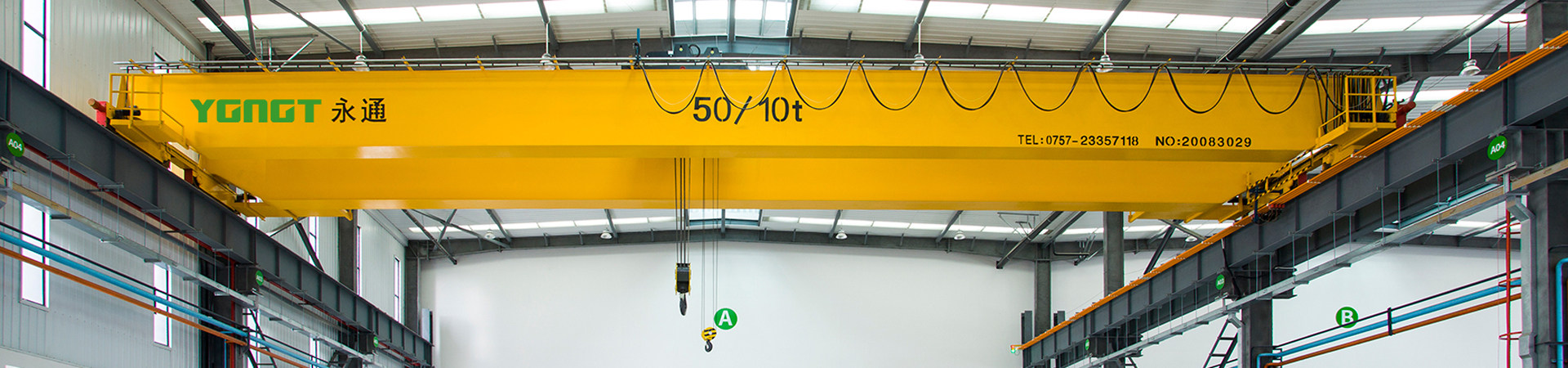
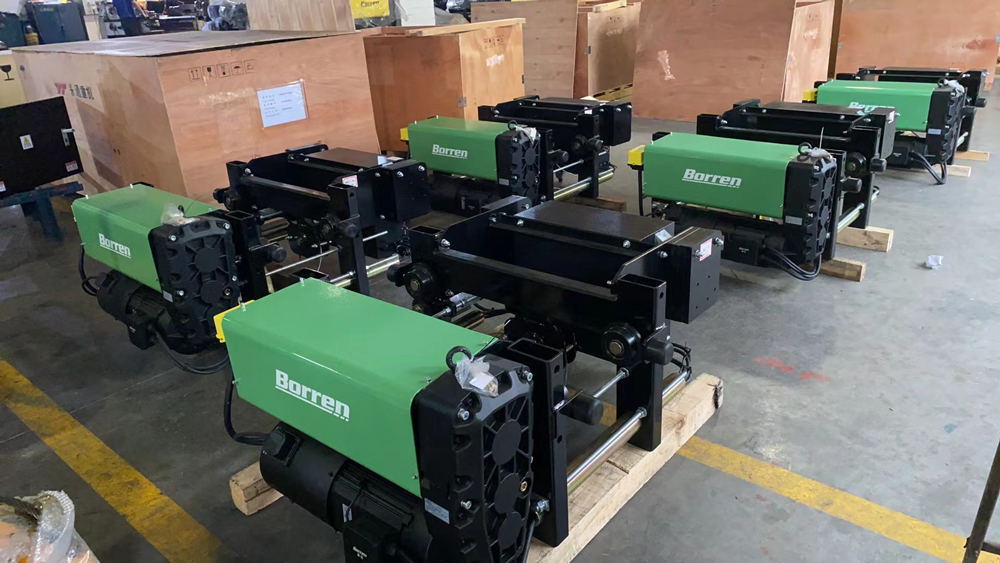
European-style electric hoists (also known as FEM-standard or European-type wire rope hoists) are advanced lifting devices designed according to FEM (Fédération Européenne de la Manutention), DIN (German), and ISO standards. They feature compact structure, low headroom, light weight, modular design, maintenance-free operation, and high efficiency compared to traditional CD/MD-type hoists. These hoists are widely used in manufacturing, warehouses, logistics, and assembly lines, with capacities typically from 1 to 80 tons and working classes up to M5-M8.
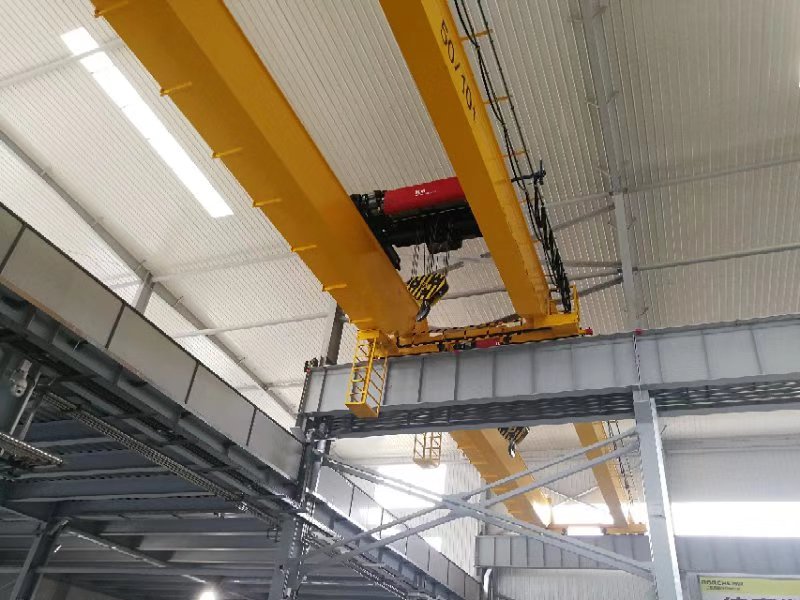
Key Design Principles
Modular and Compact Design
Integrated "three-in-one" (motor + reducer + brake) or C-type parallel layout (drum parallel to motor via reducer) for minimal dimensions, low headroom, and maximized workspace utilization.
Low Noise and Energy Efficiency
Variable frequency drives (inverters) for smooth, stepless speed control; motors with high efficiency and reduced power consumption (up to 30% lower than traditional hoists).
Safety and Reliability
Overload protection, precise limits, dust-proof brakes, and high-strength components; noise levels often below 70 dB.
Maintenance-Free Features Sealed gearboxes with lifetime lubrication, non-asbestos brakes, and durable nylon rope guides.
FEM Duty Classification
Based on load spectrum and operating time (e.g., M5 for medium duty, M6-M8 for heavy duty), ensuring longevity (e.g., 1990+ full-load hours).
Main Parts and Their Design/Selection Considerations
Hoisting Motor
Design: Squirrel-cage, double-speed (pole-changing, ratio 1:6) or variable frequency motor; aluminum alloy housing for heat dissipation; IP54/IP55 protection; embedded thermistor for overheating protection.
Selection: Choose based on duty cycle (FEM class), lifting speed (fast/slow), and environment (e.g., explosion-proof for hazardous areas). Imported brands (e.g., ABM from Germany) for reliability.
Reducer (Gearbox)
Design: Hardened gears with precision grinding; fully sealed, semi-grease or oil-bath lubrication (no oil changes needed in safe lifecycle); compact and low-noise.
Selection: Match to load capacity and speed requirements; ensure compatibility with motor for integrated design.
Brake
Design: Electromagnetic disc brake (DC or AC); automatic closure on power loss; dust-proof, adjustment-free; IP54-IP65 protection; non-asbestos pads.
Selection: High safety rating; optional manual release for emergencies.
Drum and Rope Guide
Design: Large-diameter seamless steel drum for better rope winding and higher lifting height; high-strength nylon or cast iron rope guide (self-lubricating, wear-resistant) to prevent rope chaos and reduce wear.
Selection: Drum size for low headroom; rope guide material based on duty (nylon for standard, nodular cast iron for heavy).
Wire Rope
Design: High-strength, flexible galvanized steel rope; high breaking tension; maintenance-free options.
Selection: Per ISO 4309 standards for inspection/scrap criteria; diameter and construction based on capacity and reeving (single/double winding).
Hook Assembly
Design: Forged high-strength alloy steel hook; 360° rotation; safety latch; nylon pulleys to reduce rope wear.
Selection: Rated for overload (e.g., 105% limit triggers protection); thrust/safety bearings for smooth rotation.
Trolley (Traveling Mechanism)
Design: Frequency-controlled motor with disc brake; low-noise wheels; options for monorail, double-rail, or low-headroom.
Selection: Speed (2-20 m/min); wheel pressure minimized for light crane load.
Electrical and Control System
Design: Schneider or international brand components; IP55 cabinet; frequency inverters for precise positioning; overload limiter (electronic, with monitoring); optional "black box" recorder.
Selection: Remote/pendant control; add safety monitors for data logging.
Limit Switches and Safety Devices
Design: Gear-driven upper/lower limits; overload protector; phase protection.
Selection: Double limits for precision; essential for all FEM-compliant hoists.
Selection Guidelines
Capacity and Height → Match rated load (1-80t) and lifting height (6-50m+).
Working Environmen→ Standard indoor vs. explosion-proof/dust-proof; temperature (-20°C to +60°C).
Duty Cycle → Use FEM classification table (e.g., light: M3-M4; heavy: M6-M8).
Headroom and Space → Low-headroom models for limited height factories.
Speed Requirements → Double-speed or variable frequency for precision.
Budget and Maintenance→ European hoists have higher initial cost but lower long-term (less maintenance, energy savings).
Standards Compliance → Ensure CE/FEM/DIN marking;
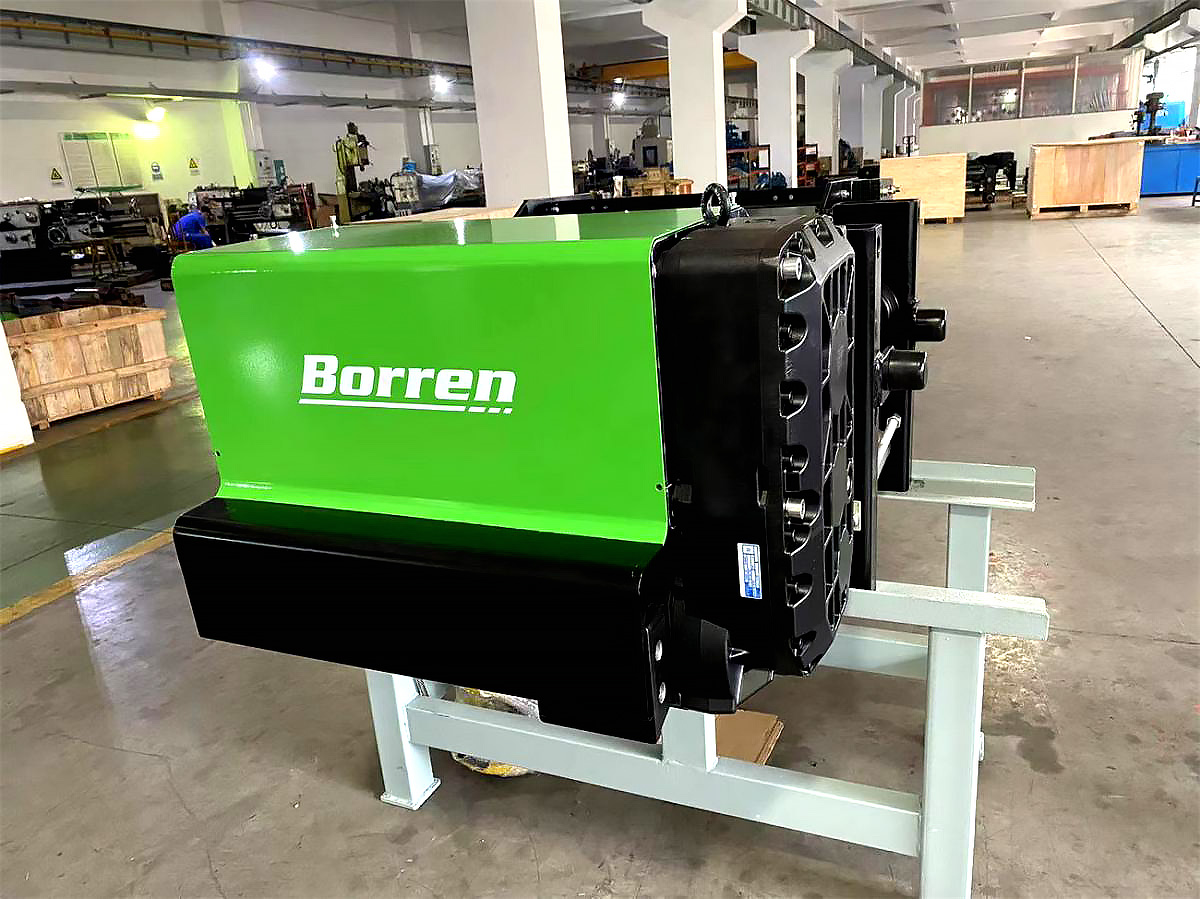
European-style hoists offer superior performance, safety, and cost-effectiveness over time, making them ideal for modern industrial applications. For specific projects, refer to manufacturer catalogs or FEM 1.001 rules for detailed calculations.